Featured OEM Products & Packaging Engineering
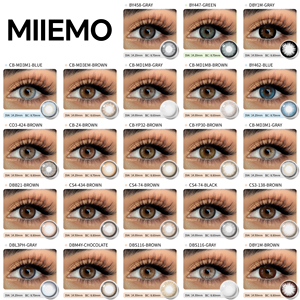
Explore our medical-grade soft cosmetic contact lenses, custom blister foil packaging, sterilization vials, and branded promotional collateral ready for global export.
The Definitive B2B Procurement Whitepaper: Sourcing from China's Leading Colored Contact Lens Factories
The global cosmetic and corrective contact lens sector is experiencing an unprecedented technical evolution. As beauty trends, K-beauty dynamics, and social-first aesthetics merge with stringent ocular medical standards, international brand incubators, optometry retail chains, and e-commerce enterprises require manufacturing partners who offer both aesthetic excellence and pharmaceutical-grade biomechanical safety. China has transitioned from a high-volume manufacturing depot to the world's most sophisticated ecosystem for precision cast-molding, biomimetic hydrogel polymers, and rapid-turnaround private label cosmetics.
Sourcing colored contact lenses directly from top-tier Chinese manufacturing operations affords international buyers structural competitive advantages: vertically integrated tool-and-die mold engineering, in-house chemical formulation of low-modulus silicone hydrogel polymers, integrated packaging production (from sterile PP blisters and Type-I borosilicate glass vials to magnetic rigid gift presentation boxes), and compliance validation designed for seamless overseas registration across the US FDA, European CE MDR, Singapore HSA, and Middle Eastern MOH authorities.
Vertically Integrated Manufacturing: From Monomer to Retail Shelf
Unlike third-party traders or regional assemble-to-order packaging facilities, an authentic Tier-1 Chinese contact lens manufacturer maintains full operational control across the complete product life cycle. This starts at monomer synthesis—purifying 2-hydroxyethyl methacrylate (HEMA), Methacrylic Acid (MAA), and Silicone macromers—and continues through CNC nanometer lathe cutting for optical steel inserts, dual-sided robotic cast molding, multi-layer micro-dot pad printing, automated hydration stabilization, robotic optical inspection, visual power verification via Hartmann-Shack wavefront aberrometry, blister foil sealing, and final high-pressure terminal steam autoclave sterilization (121°C for 20 minutes).
By controlling both primary sterile device manufacturing and secondary packaging development (such as custom cardboard boxes, tamper-evident labels, and companion lens cases), China's premier factories reduce logistical friction, eliminate third-party cross-contamination risks, and truncate lead times for new brand launches from typical industry cycles of 6 months down to 4 to 6 weeks.
Enterprise Capabilities & OEM/ODM Manufacturing Advantages
Our factory infrastructure merges pharmaceutical compliance with rapid agile customization, allowing global cosmetic brands to scale with absolute market confidence.
Patented Sandwich (Plusier) Encapsulation
Micro-pigment particles (iron oxides, titanium dioxide, phthalocyanine) are entrapped completely between two biocompatible, ultra-thin polymer layers. Zero pigment makes contact with the corneal epithelium or palpebral conjunctiva, eliminating chemical leaching, pigment rubbed-off risks, and foreign body irritation.
Class 100K Cleanrooms & ISO 13485
Manufacturing facilities are engineered and monitored under ISO Class 7 (Class 10,000 to Class 100,000) cleanroom protocols. Environmental bio-burden, particulate matter, and humidity are regulated in strict adherence to medical device GMP, ISO 13485:2016 quality systems, and CE MDR compliance regimes.
Turnkey Packaging & Brand Integration
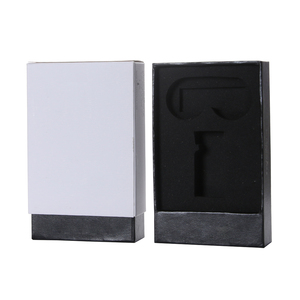
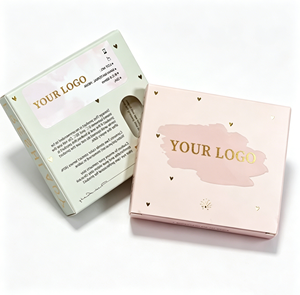
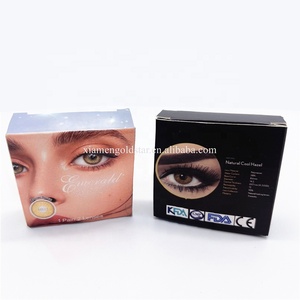
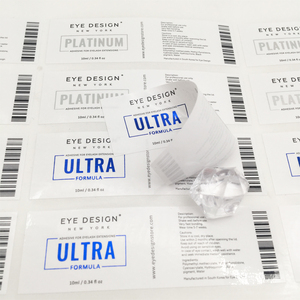
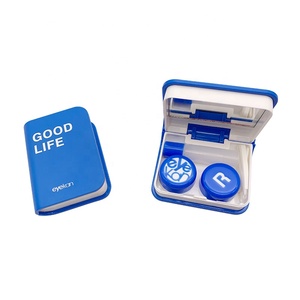
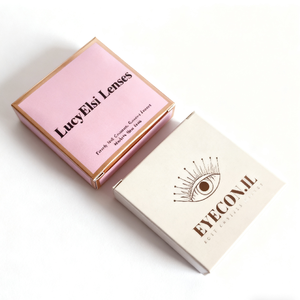
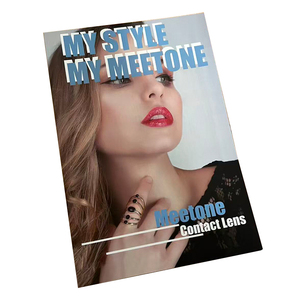
We eliminate vendor fragmentation by offering in-house design and fabrication of packaging components. As highlighted in our product portfolio, we manufacture custom magnetic rigid drawer boxes, CMYK printed paper sleeves, foil labels, companion cases, and marketing brochures under one roof.
Full Power Range & Astigmatism (Toric)
Standard plano (0.00) cosmetic lenses are complemented by complete corrective myopic inventory (-0.50 to -10.00D in 0.25D/0.50D increments) and custom prism ballast or dynamic stabilization toric lenses for astigmatic wearers, ensuring comprehensive market coverage.
Hydration & Wetting Edge Dynamics
Using advanced multi-curve bevel designs with rounded edge contours, our contact lenses ensure unhindered lacrimal tear circulation beneath the optic zone. This hydro-dynamic edge profile prevents conjunctival pinching and keeps eyes refreshed throughout 12+ hour wear cycles.
Agile Private Label MOQs & Rapid Sampling
To support emerging digital-native cosmetic brands, we break traditional industry bottlenecks by providing flexible minimum order quantities starting from 50 pairs for catalog designs, and rapid 7-day physical prototype proofing for bespoke graphic designs.
Future Sourcing & Industrial Trends: Strategic Outlook for 2025–2030
As international consumer preferences evolve toward enhanced comfort, sustainable manufacturing, and hybrid beauty-health functionalities, wholesale procurement strategies must pivot to match next-generation material science. The traditional hydrogel landscape is rapidly giving way to specialized formulations designed to counteract digital eye strain, air-conditioned environmental dryness, and prolonged screen usage.
Silicone Hydrogel (SiHy) Market Dominance
While poly-HEMA remains a standard for fashion cosmetic lenses, B2B procurement is transitioning aggressively toward 3rd-generation Silicone Hydrogel materials. Offering oxygen transmissibility (Dk/t) values exceeding 80 to 120 units, SiHy allows deep ocular breathability, mitigating corneal hypoxia and extending safe daily wear time.
MPC & Hyaluronic Acid Biomimetic Surfaces
Future-ready factories are integrating 2-methacryloyloxyethyl phosphorylcholine (MPC) and moisture-binding Hyaluronic Acid (HA) directly into the saline solution and monomer matrices. MPC simulates the lipid layer of human cell membranes, suppressing tear evaporation and repelling bacterial biofilms and protein deposits.
Dual-Band Blue Light & Class 1 UV Shielding
Cosmetic lenses are increasingly specified with photo-protective chromophores that absorb harmful HEV (high-energy visible) blue radiation emitted by digital displays, coupled with Class 1 UV blockers blocking >90% UV-A and >99% UV-B rays, converting pure beauty circle lenses into preventative health wear.
Multi-Tone Iris Micro-Dot Photorealism
Heavy, artificial pixelation is obsolete. Modern consumers demand 3-tone to 5-tone concentric dot arrays featuring translucent graphic transitions toward the pupil zone, soft limbal definition, and multi-layered light refraction engineered specifically for deep brown and dark Asian irises.
FSC-Certified & Minimalist Blister Formats
Global regulatory bodies and eco-conscious consumers are pushing for sustainable primary and secondary packaging. Forward-thinking exporters offer biodegradable blister plastics, reduced-weight aluminum foil seals, and recycled paperboard packaging formats without compromising hermetic sterility.
Digital Serialization & Anti-Counterfeiting
To protect brand equity in cross-border retail, factories now provide individualized blister QR codes, GS1 Datamatrix serialization, and tamper-evident holographic labelling, enabling end consumers to verify product authenticity and lot sterilization reports instantly via mobile scan.
Technical Comparison: Contact Lens Polymers & Modalities
Evaluate the biomechanical parameters, oxygen flux, and intended usage profiles across our core OEM production lines.
| Material Classification | Water Content (%) | Oxygen Permeability (Dk/t) | Base Curve / Diameter | Recommended Wear Modality | Target Market Application |
|---|---|---|---|---|---|
| Standard HEMA Hydrogel | 38% – 42% | 12 – 18 Dk/t | BC: 8.5 – 8.6mm | DIA: 14.0 – 14.5mm | 1-Month / 6-Month / Annual | Cost-effective cosmetic lines, high-frequency rotation, fashion drops. |
| HEMA + MPC Copolymer | 40% – 45% | 22 – 28 Dk/t | BC: 8.6mm | DIA: 14.2 – 14.5mm | Daily Disposable / Monthly | Air-conditioned office wear, dry-eye sufferers, premium K-beauty brands. |
| Silicone Hydrogel (SiHy) | 45% – 55% | 80 – 130 Dk/t | BC: 8.6 – 8.7mm | DIA: 14.0 – 14.3mm | Daily Disposable / 3-Month | Medical-grade prescriptions, long-duration wear, US & EU optical retail. |
| Dynamic Stabilization Toric | 40% – 48% | 25 – 85 Dk/t | BC: 8.6mm | Axis: 10° – 180° | Monthly / 6-Month | Astigmatism correction combined with cosmetic color enhancement. |
Strict Quality Assurance: The Six-Stage Inspection Protocol
Ocular safety demands flawless manufacturing execution. As a premier exporter, our production facilities employ rigorous automated inspection gates alongside chemical and microbial laboratory testing to guarantee zero defect leakage into global shipping channels.
Stage 1: Monomer & Mold Verification: Every batch of liquid polymer monomer undergoes gas chromatography to ensure ultra-low residual unreacted monomers. Steel mold inserts are profiled with optical interferometers to maintain surface roughness tolerances under 10 nanometers.
Stage 2: Micro-Pad Printing Precision: High-speed optical CCD cameras inspect ink deposition alignment. Multi-tone pattern layers are registered within ±0.05mm of concentricity, ensuring the clear optical center zone remains completely unobstructed for visual acuity.
Stage 3: Thermal Polymerization & Demolding: Curing profiles inside closed environmental chambers are precisely ramped to prevent internal polymer stress or micro-void creation. Ultrasonic demolding releases lenses cleanly without edge microscopic tearing.
Stage 4: Automated 100% Wet State Vision Inspection: Hydrated lenses in deionized saline pass through 360-degree telecentric imaging systems. The software automatically rejects units exhibiting edge notches, air bubbles, optical power deviations, or surface dust particles down to 5 microns.
Stage 5: Hermetic Packaging & Saline Buffering: Blister trays are filled with pharmaceutical-grade, borate-buffered physiological saline enriched with lubricating conditioners, then sealed with peelable, tamper-evident composite aluminum lidding foil under high-barrier conditions.
Stage 6: Terminal Steam Autoclaving & Biological Validation: Product lots are sterilized inside commercial computerized autoclaves at 121°C (250°F) for 20 minutes under saturated steam pressure. Sterilization assurance level (SAL) is certified at 10-6, verified through regular biological indicator (Geobacillus stearothermophilus) challenge testing.
Frequently Asked Questions for B2B Importers & Brand Owners
Everything procurement managers, distributor networks, and private label founders need to understand about compliance, manufacturing timelines, and OEM customization.
What regulatory certifications and export documentation does your factory provide?
Our manufacturing facilities operate in full compliance with ISO 13485:2016 and medical device GMP systems. We supply complete Technical Documentation Files (TDF), Declarations of Conformity (DoC), Free Sale Certificates (FSC), Certificate of Analysis (CoA) per lot, ISO 10993 cytotoxicity and biological safety reports, terminal sterilization verification, and stability testing documentation to support your regulatory registrations with authorities such as the US FDA (510k assistance), European Notified Bodies under CE MDR 2017/745, Singapore HSA, Saudi SFDA, and other regional health agencies.
What are the standard Minimum Order Quantities (MOQ) for custom private label orders?
We offer tiered MOQ structures tailored to brand growth stages. For existing, ready-to-ship catalog color patterns under your private label outer packaging, MOQs start as low as 50 to 100 pairs per power increment. For fully bespoke color pattern development and proprietary mold designs, our standard production batch MOQ is 1,000 to 2,000 pairs per design. Custom secondary packaging—such as magnetic gift boxes, printed folding cartons, or bespoke companion cases—typically starts at 500 to 1,000 pieces per run.
How does your factory ensure the safety and longevity of colored pigments inside the lens?
We strictly utilize the sandwich encapsulation method (Plusier process). High-purity medical-grade organic and mineral colorants compliant with FDA 21 CFR standards are printed between dual layers of inert hydrogel polymer. The pigments are cured simultaneously within the monomer matrix, forming a single hermetically sealed unit. Under no circumstances does pigment contact the ocular surface. Every lot undergoes rigorous rub tests, chemical elution assays, and surface profiling to verify zero dye exposure.
Can you manufacture colored contact lenses with prescription powers and astigmatism (toric)?
Yes. In addition to 0.00 diopter (plano) beauty lenses, our production line provides precision spherical prescription powers ranging from -0.50D to -8.00D (in 0.25D steps) and -8.00D to -10.00D (in 0.50D steps). Furthermore, we manufacture custom cosmetic toric lenses with specialized cylinder powers (-0.75D, -1.25D, -1.75D, -2.25D) across axis orientations from 10° to 180° using dynamic stabilization balance geometries that resist lens rotation during blinking.
What is the shelf life of your sterile packaged contact lenses?
Our sterile contact lenses carry a validated shelf life of 3 to 5 years from the date of terminal autoclave sterilization. Hermetically sealed in medical-grade PP blister packs with laminated foil covers or USP Type-I borosilicate glass vials sealed with chlorobutyl rubber stoppers and aluminum flip-off caps, products maintain complete barrier integrity against microbial ingress, dehydration, and saline acidification under ambient storage conditions.
What are the standard production lead times and sample turnaround schedules?
Pre-production sample orders from our ready-mold inventory ship within 3 to 5 business days. Bespoke graphic proofing and custom packaging prototyping take approximately 7 to 12 working days. Full-scale commercial production runs typically require 20 to 30 calendar days upon digital artwork sign-off and receipt of deposit, depending on diopter assortment diversity, packaging complexity, and secondary kit assembly requirements.
Can your factory provide integrated, multi-product cosmetic bundling?
Yes, as highlighted in our portfolio showcase, we provide end-to-end bundling capabilities. Beyond manufacturing the primary contact lenses, our secondary packaging division engineers custom magnetic presentation boxes that integrate false eyelashes, portable companion applicators, lens cases, and marketing brochures. We handle complete kitting, vacuum wrapping, and serialization, delivering a ready-to-sell retail bundle straight to your warehouse.
What shipping incoterms and global freight options do you support?
We support standard international commercial terms including EXW, FOB (Shanghai, Ningbo, Shenzhen, Guangzhou), CIF, CFR, and door-to-door DDP (Delivered Duty Paid) via temperature-controlled air freight, sea container freight, or express courier (DHL, FedEx, UPS). We handle all export customs clearance in China, non-dangerous goods chemical transport certifications, and international air shipping documentation.
Partner with China's Premier Colored Contact Lens Manufacturer
Whether you are scaling an established optical distribution network, introducing a digital-native cosmetic brand, or requiring high-volume private label manufacturing with full packaging integration, our technical engineering team is ready to support your commercial success.