High-Velocity Wholesale Formulations & Custom Packaging
Explore our export-ready contact optics and medical-grade auxiliary packaging suites, engineered to comply with US FDA, CE MDR, and ISO 13485 cleanroom validation requirements.
Why Global Brands Select Our China Cleanroom Infrastructure
From advanced cast-molding chemistry to automated vision verification, discover how our 17-year operational footprint delivers unprecedented yield rates, regulatory security, and aesthetic excellence.
Patented Sandwich Pigment Isolation
Unlike low-tier print methodologies that apply colorant directly to the outer surface of the lens, our Full Sandwich Encapsulation Technology embeds micro-fine cosmetic pigments strictly between two cross-linked layers of PolyHEMA hydrogel. This guarantees zero dye leaching into the corneal epithelium, mitigating the risk of allergic conjunctivitis and surface topography aberrations while keeping the contact lens surface exceptionally glassy and comfortable.
- Dual-surface protective biocompatible monomer sealing
- Zero pigment-to-cornea direct contact verified via ISO 10993
- Smooth, friction-free blink coefficient across all modalities
Class 100,000 Cleanroom & Full GMP Compliance
Our manufacturing complex runs fully enclosed, HEPA-filtered Class 100,000 cleanrooms operating under rigorous ISO 13485:2016 quality management systems. Automated high-precision cast molding ensures sub-micron edge consistency, eliminating peripheral edge lift and center thickness variance. Every single batch is tracked through automated laser barcoding from pure monomer polymer blending to high-pressure thermal sterilization autoclaves.
- Terminal steam sterilization validated at 121°C for 30 minutes
- Automated Optical Inspection (AOI) for bubble and tear screening
- Full batch retention samples preserved for 5-year shelf life
Turnkey B2B Private Label Ecosystem
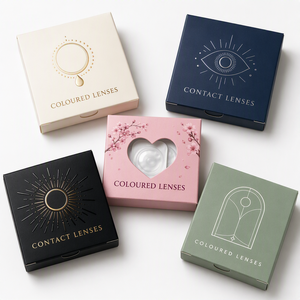
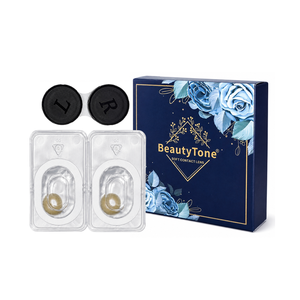
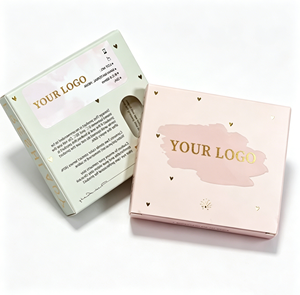
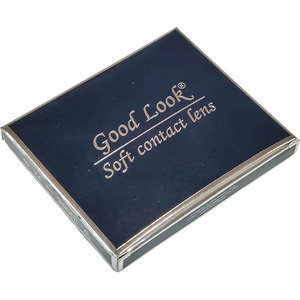
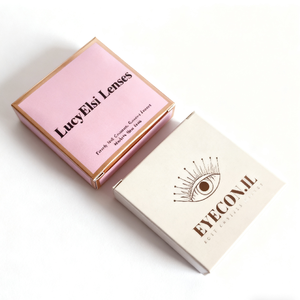
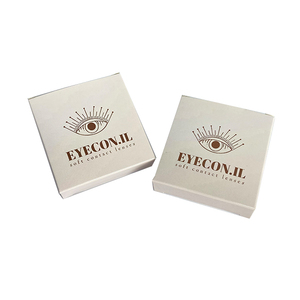
Sourcing optical hardware is only half the battle. We provide international brand founders and retail optical chains with a frictionless end-to-end supply chain. This encompasses custom packaging box structural development, foil stamping, anti-counterfeit micro-printing, sterile saline blister cavity sealing, and custom accessory injection molding. We streamline the path from vector artwork to market-ready export master cartons in record cycle times.
- Custom die-cut packaging boxes and Tyvek blister foils
- Dossier support for local health authorities (HSA, FDA, CE MDR)
- Flexible Low-MOQ trials for emerging D2C beauty ventures
Future Procurement Trends in Cosmetic Contact Lens Sourcing (2025–2030)
Data-driven procurement intelligence for category directors and global sourcing managers navigating evolving consumer preferences, optical material transitions, and cross-border regulatory shifts.
Dominance of Daily Disposables
The global retail landscape is undergoing a structural migration away from annual lenses toward Daily Disposable (1-Day) modalities. Driven by heightened consumer hygiene consciousness and travel lifestyles, procurement managers are prioritizing multi-pack daily cartons. Daily color lenses mitigate solution non-compliance risks, reduce ocular infection incidence to near zero, and significantly boost consumer repurchase frequency, creating a compounding revenue stream for brand houses.
Biomimicry & Micro-Dot Printing
Flat, cartoonish contact lens graphics are obsolete. Next-generation beauty consumers demand multi-tonal iris depth that looks authentic under direct sunlight and high-resolution cameras. Current ODM development utilizes high-density 3D halftone micro-dot patterns with graduated radial transparency. By leaving an unprinted margin near the pupillary zone, these lenses naturally blend with the underlying dark brown iris, delivering subtle brightening effects rather than artificial color masking.
Silicone Hydrogel & MPC Surface Coatings
While traditional PolyHEMA remains popular for cost-effective cosmetic applications, premium markets are rapidly demanding Silicone Hydrogel (SiHy) substrates with high oxygen permeability (Dk/t > 80). Furthermore, incorporating Methacryloyloxyethyl phosphorylcholine (MPC biomimetic polymer) onto lens surfaces prevents protein denaturation and lipid deposition, ensuring sustained comfort during 12+ hours of exposure to dry, air-conditioned corporate and transit environments.
Medical-Grade Regulatory Auditing
Customs authorities worldwide (including the US FDA, European EUDAMED under MDR 2017/745, and Singapore HSA) have intensified regulatory surveillance on zero-power cosmetic colored lenses. As a Class II/III medical device, importers can no longer rely on unverified white-label vendors. Forward-looking buyers are exclusively partnering with Chinese ODM exporters possessing verifiable 510(k) clearances, MDSAP certificates, and exhaustive stability test documentation.
Optical Substrate Performance Benchmarks for ODM Sourcing
Technical evaluation parameters designed to assist brand product managers in formulating balanced portfolios across varying price points and consumer demographics.
| Substrate Category | Water Content (%) | Oxygen Transmissibility (Dk/t) | Primary Manufacturing Method | Target Consumer Segments | Regulatory Classification |
|---|---|---|---|---|---|
| Conventional PolyHEMA Hydrogel | 38% – 42% | 18 – 24 Dk/t | Full Cast-Molding / Semi-Lathe | Budget & Fast-Fashion / Costume / Festival Wear | Class II / Class IIa |
| Biomimetic HEMA + MPC Surface | 43% – 55% | 28 – 35 Dk/t | Automated Double-Side Cast Molding | Urban Office Workers / Dry-Eye Symptomatic Users | Class IIb / MDR Ready |
| Advanced Silicone Hydrogel (SiHy) | 40% – 48% (Equilibrium) | 85 – 120 Dk/t | High-Vacuum Precision Polymerization | Daily All-Day Wearers / Prescription Corrective Optics | US FDA 510(k) Cleared |
| Toric Prism-Ballasted Color Hydrogel | 38% – 45% | 22 – 30 Dk/t | Dual Axis Dynamic Stabilization Cast | Astigmatism Color Corrections (-0.75 to -2.75 Cyl) | Specialized Medical Device |
Strategic Product Recommendations for Global B2B Brands
Maximizing sales velocity and retail footprint requires architecting a stratified SKU matrix that targets varying consumer lifecycle phases.
The Everyday "Office & Natural" Hero Line
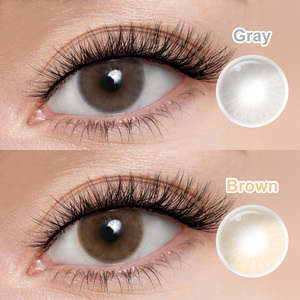
The vast majority of Asian, Middle Eastern, and Latin American consumers possess deep dark brown irises. Recommending stark, artificial tones often yields high return rates and poor user retention. Brand catalogs should ground their core baseline in honeyed browns, muted olive-hazel, and soft slate-grey palettes designed with soft, feathered limbal rings. These SKUs reliably deliver between 55% and 65% of ongoing re-orders in the B2C segment.
- 14.0mm to 14.2mm natural diameter range
- Translucent feathering for seamless dark-iris blending
- High repeat purchasing metrics for subscription models
High-Pigment Glamour & Festival Capsule Series
Targeted toward nightlife, cosplay conventions, holiday celebrations (Halloween, New Year), and digital content creators. These lenses feature opaque, high-density pigment coatings with definitive outer limbal accents to achieve stunning visual enlargement and radical iris color changes (such as icy blues, vibrant emeralds, and violet hues). Ideal for high-margin, limited-edition promotional packaging and influencer collaborations.
- 14.5mm graphic diameter for dramatic eye expansion
- 100% full coverage formulas for deep black irises
- Ideal for holiday PR packaging bundles and social campaigns
Prescription & Toric Astigmatism Niches
Over 35% of contact lens consumers experience some degree of astigmatic blur, yet fewer than 5% of cosmetic colored contact brands supply reliable toric inventory due to complex ballast mold engineering. Introducing a dedicated prism-ballasted toric line or offering full diopter prescription expansion up to -10.00 creates an unassailable competitive moat, allowing brands to dominate organic search queries and capture high-LTV optical customers.
- Prism ballast design preventing rotation on blinking
- Custom cylinder (-0.75 to -2.25) and axis orientations
- Significantly higher retail pricing power and margins
B2B Cosmetic Contact Lens Procurement & Manufacturing FAQ
Critical operational, regulatory, and chemical safety answers addressing the key checkpoints raised by global optical importers, pharmacy buyers, and compliance officers.
What is the standard Minimum Order Quantity (MOQ) for custom private label packaging?
For existing in-stock optical formulations requiring brand paper box packaging customization, our standard MOQ begins at 500 to 1,000 units per artwork SKU. For fully customized lens color patterns, graphic diameters, or unique cast-mold geometries, the production run minimum typically starts at 5,000 to 10,000 sterile blister pieces, which can be distributed across various optical power diopters (0.00 to -8.00).
How does your factory verify that color pigments do not leach into human tears?
Every colorant used in our manufacturing process is registered on the FDA Color Additive inventory and subject to rigorous monomer cross-linking tests. In accordance with ISO 10993-5 (Biological evaluation of medical devices - Tests for in vitro cytotoxicity) and solvent extraction assays, lenses are subjected to high-temperature organic solvent baths. Analytical spectrophotometry confirms zero detectable pigment leakage, ensuring the sandwich encapsulation remains fully intact throughout the product's entire 5-year validated shelf life.
What regulatory clearance documentation is supplied for customs clearance in the US and EU?
As an established medical device exporter, we supply comprehensive Device Master Files (DMF), Certificates of Analysis (COA) per production lot, ISO 13485:2016 factory audits, Free Sale Certificates (FSC), Declaration of Conformity under EU MDR 2017/745, and technical testing dossiers for US FDA 510(k) establishment registration. Our regulatory team directly assists client compliance agents in answering local health authority inquiries (such as HSA Singapore, TGA Australia, and Health Canada).
Can we formulate custom packaging dimensions and include accessories in the unit carton?
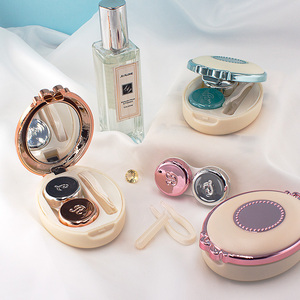
Yes. We engineer complete retail-ready kits. Beyond standard blister carton packaging, our facility handles structural box design with die-cut EVA trays, high-end magnetic clasp gift cartons, custom lens cases with leak-proof ultrasonic welds, soft-silicone insertion tweezers, and sterile solution dropper bottles. All outer packaging materials use FSC-certified eco-friendly paper stocks with customizable spot UV, metallic hot-stamping, and anti-tamper security holographic seals.
What is the typical lead time from prototype pattern approval to final cargo dispatch?
For existing validated shade matrices, the private label manufacturing turnaround typically takes 25 to 35 calendar days following proof sign-off and blister foil prepress clearance. If developing a completely bespoke pattern from color inspiration artwork, prototype sample cast-molding and spectrophotometer proofing requires 14 to 21 days prior to commercial manufacturing scale-up, followed by our standard 7-day microbiological incubation release quarantine.
How does your manufacturing control center thickness and base curve accuracy?
We deploy state-of-the-art dual-side cast-molding utilizing precision electroformed nickel or optical-grade curable polymer molds manufactured on sub-micron CNC lathes. Every batch is continuously monitored using contactless laser profilometry and optical interferometry to guarantee a stable base curve (standard 8.5mm to 8.6mm) and ultra-thin center thickness (typically 0.07mm to 0.08mm for hydrogels), preventing unwanted optical distortion or unstable corneal fit.
What quality control protocols are applied to detect particulate matter and blister leakage?
Our sterile packaging lines utilize 100% automated high-speed visual inspection (AOI) with telecentric optical imaging to screen every lens inside its blister cavity for edge tears, air bubbles, fiber contamination, and surface scratches. The heat-sealed blister foil (Tyvek or aluminum multi-layer laminate) undergoes high-vacuum leak testing to verify sealing hermeticity prior to terminal steam autoclaving at 121°C.
Do you offer dropshipping or consolidated freight forwarding services for B2B wholesalers?
We operate a multi-tier logistics hub capable of direct B2B air freight (DHL/FedEx/UPS with temperature-controlled handling for optical goods), ocean freight container shipping (FCL/LCL), as well as direct bonded warehouse storage and cross-border API-integrated dropshipping fulfilment for select high-volume enterprise e-commerce partners across North America, Southeast Asia, and Europe.
Accelerate Your Contact Lens Brand with China's Premier ODM Partner
Access our comprehensive 2025–2026 Wholesale Product Catalog featuring 800+ compliant formulations, full ingredient safety documentation, packaging dielines, and tiered wholesale pricing structures.