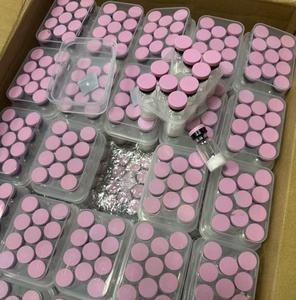
Curated Wholesale Portfolio
Engineered Optical Systems & OEM Private Label Lines
From medical-grade HEMA prescription blanks to turnkey colored lenses, custom sterile packaging, and precision accessories—explore certified products built for retail distribution.
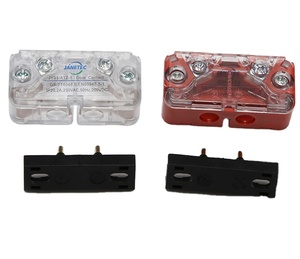
Factory OEM Safety Interlock Contact Switch IP20 2A 230VAC High Reliability
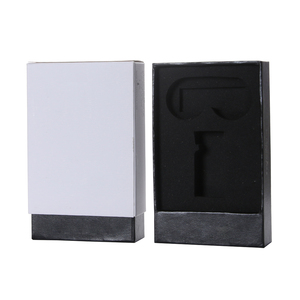
Custom Magnetic Drawer Packaging for Colored Contact Lenses & Beauty Sets

Clear Prescription Myopia Optical Contact Lenses 40% Water Content HEMA OEM
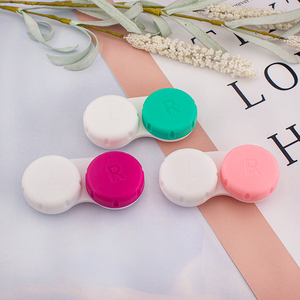
Wholesale Premium Colorful Contact Lens Storage Case & Countertop Display
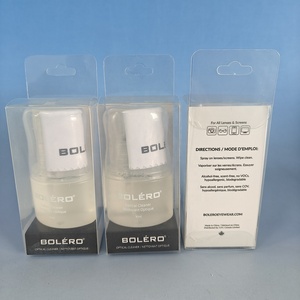
30ml Optical Multi-Purpose Cleaning Solution Bulk Private Label Wholesale
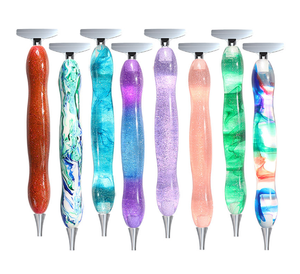
Precision Sorting Tray Tool Assembly Kit Factory Wholesale Accessories
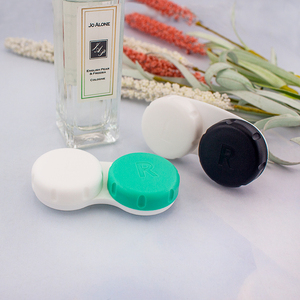
Custom Daily Disposable Colored Prescription Contact Lenses In Blister Packs
Executive White Paper
Precision Manufacturing Engineering for Private Label Contact Lenses
An authoritative engineering breakdown of monomer compounding, automated cast molding, pigment micro-encapsulation, and physiological biocompatibility for global procurement directors.
In modern optometric supply chains, sourcing contract contact lenses from China has transitioned from simple labor-cost arbitrage to high-precision robotic manufacturing. As an established contract development and manufacturing organization (CDMO), our infrastructure bridges clinical ophthalmology with scalable automated execution. Achieving seamless ocular comfort, repeatable dioptric power accuracy (±0.25D standard deviations), and vibrant aesthetic expression on hyper-pigmented dark irises requires strict adherence to Class II and Class III medical device protocols.
1. Cast Molding Technology vs. Lathe-Cutting Methodologies
Optical geometry across volume production demands nanometer-level fidelity. While CNC nano-lathe cutting is maintained for bespoke post-operative toric or keratoconus prosthetic configurations, high-throughput private label lines utilize ultra-precise Dual-Sided Cast Molding (DSCM). In this system, medical-grade optical polypropylene or quartz mold inserts are crafted under cleanroom conditions. Monomer mixtures—such as 2-Hydroxyethyl Methacrylate (HEMA) or next-generation fluorosilicone macromers—are dispensed via pneumatic micro-jets with sub-microliter volumetric precision. Thermal or UV-induced free-radical polymerization cures the lens within minutes, ensuring zero residual stress lines and absolute reproducibility of the posterior sagittal depth, base curve (8.5mm to 8.7mm), and peripheral clearance zones.
2. Pigment Encapsulation: The "Sandwich" Micro-Embedding Process
Color cosmetics worn directly on the cornea demand uncompromised toxicological safety. Older, substandard color printing methodologies exposed surface-deposited pigments directly to the palpebral conjunctiva, accelerating tear film destabilization, epithelial friction, and micro-abrasive keratitis. Our production infrastructure enforces the Micro-Sandwich Encapsulation Matrix. Biocompatible colorants (including synthetic iron oxides, copper phthalocyanine, and titanium dioxide) are printed onto an ultra-thin intermediate polymer diaphragm, which is subsequently encapsulated between two clear hydrophilic polymer envelopes. The color pigments never touch corneal tissues nor the palpebral surface, maintaining a lubricated boundary with dynamic wettability and zero pigment leaching over full wear lifecycles.
Zero Pigment Direct Contact
Double-barrier sandwich polymers permanently seal micro-pigments inside the lens core, safeguarding tear pH and preventing palpebral conjunctival irritation.
High-Dk/t Oxygen Permeability
Advanced silicone macromers provide up to 130 Dk/t, maintaining continuous corneal aerobic respiration during extended 12-hour workdays in dry air conditioning.
Multi-Jurisdiction Regulatory Approvals
Complete Design Dossiers, Device Master Files (DMF), and CE MDR Technical Files prepared to accelerate fast-track FDA 510(k), HSA, and TGA clearance.
| Polymer Formulation | Water Content (%) | Transmissibility (Dk/t) | Tensile Modulus (MPa) | Primary Clinical / Commercial Target | Recommended Replacement Cycle |
|---|---|---|---|---|---|
| Standard Poly-HEMA | 38% – 42% | 18 – 24 | 0.35 – 0.45 | Cosmetic Color Lenses & Cost-Effective Myopia Correction | Daily / Monthly / Quarterly |
| HEMA + MPC Copolymer | 48% – 55% | 28 – 35 | 0.30 – 0.40 | Dry-Eye Sensitive Wearers, High-Humidity Urban Lifestyles | Daily Disposable / 3-Month |
| Silicone Hydrogel (Filcon II) | 45% – 56% | 90 – 130 | 0.60 – 0.85 | Extended High-Demand Office Wear, Toric Astigmatism Correction | Daily Disposable / Monthly |
| Water-Gradient Fluoropolymer | 33% (core) to 80% (surface) | 110 – 140 | 0.50 – 0.65 | Ultra-Premium Aesthetic Flagships, Zero-Friction Ocular Comfort | Single-Use Daily Only |
Market Intelligence 2025–2030
Global Sourcing Dynamics & Procurement Trajectories
How regulatory tightening, sustainable packaging, and direct-to-consumer (D2C) micro-batching are fundamentally rewriting procurement models for international optical brands.
B2B supply chain managers and optical category buyers face transforming commercial parameters. Shifting consumer behavioral patterns—accelerated by short-form video beauty culture, digital screen exhaustion, and stringent healthcare oversight—are dictating how brands source their optical inventory. Below are the four macro trends redefining OEM contracts across China, North America, the European Union, and Southeast Asia.
Strategic Shift 01
The Irreversible Ascendancy of Daily Disposables
Global procurement volumes for 1-day disposables have overtaken traditional annual and bi-annual vial modalities. Daily modalities offer unmatched sterile compliance, eliminating the risk of Acanthamoeba and bacterial biofilm accumulation.
- Reduction of solution toxicity and patient non-compliance
- Higher lifetime customer retention values for subscription brands
- Automated high-speed blister packing lowering unit marginal costs
Strategic Shift 02
Decoupled Private Labeling & Agile Micro-Batches
Legacy minimum order quantities (MOQs) of 50,000 units per diopter SKU are obsolete. Progressive OEM facilities in China now support hybrid localized packaging: clear, pre-sterilized bulk inventory paired with rapid custom labeling.
- Lower working capital requirements for emerging niche cosmetics
- Real-time color shade rotation aligned with seasonal makeup trends
- Fast 15-day customization cycles for secondary packaging boxes
Strategic Shift 03
Biocompatible Moisture Surface Grafting
Procurement bids now prioritize surface wettability metrics over baseline water content. High bulk water content can induce corneal dehydration via tear strip-off; modern lines demand artificial phospholipid (MPC) molecular grafting.
- Mimics natural cell membranes to repel lipids and protein debris
- Sustained wettability under digital blue light stress
- Critical competitive differentiator against generic drug-store lenses
Technological Horizons
Next-Generation Engineering Innovations in Contact Lenses
Evaluating R&D breakthroughs: spectral blue-light filtering, ballast prism toric stabilization, and sustainable circular supply packaging.
The boundary between therapeutic ophthalmology and fashion cosmetics has permanently dissolved. Next-generation contact lens R&D pipelines incorporate multifunctional ocular health features into cosmetic prints, satisfying increasingly demanding medical board benchmarks.
1. Class 1 UV Filtering & High-Energy Visible (HEV) Blue-Light Attenuation
Modern consumers demand active photo-protection. Our next-generation lens monomers blend proprietary copolymerized benzotriazole UV-absorbers directly into the chemical backbone. This blocks >90% of UVA and >99% of UVB rays without diminishing photopic luminous transmittance. Furthermore, newly synthesized yellowish-tint filters selectively absorb 415nm–455nm high-energy blue wavelengths emitted by LED displays, significantly attenuating visual asthenopia without distorting natural chromatic perception.
2. Dynamic Prism-Free Toric Stabilization for Astigmatism Correction
Astigmatism affects more than 32% of primary cosmetic lens shoppers, yet legacy toric lenses relied on inferior bottom-heavy prism ballasts that induced vertical prism discomfort and lower-lid irritation. Modern precision tooling employs Dual-Thin-Zone Accelerated Stabilization Designs (ASD). By leveraging the dynamic hydrostatic pressure generated by blink cycles across four contour zones, the lens naturally auto-aligns within 5 degrees of target cylinder axis, regardless of head posture or saccadic eye movement.
3. Sustainable Post-Consumer Recyclable (PCR) Packaging
With daily disposables generating significant plastic consumption, contract manufacturers are overhauling secondary and primary packaging lines. Traditional aluminum blister foil lids are being superseded by peelable polyolefin monomaterial barriers, enabling 100% recyclability. Furthermore, our ultra-compact blister tray geometries decrease polypropylene consumption by 38% per unit, slashing transatlantic ocean freight carbon footprints by metric tons per container shipment.
Enterprise Superiority
Why Global Tier-1 Distributors Source With Our Group
Integrating 17 years of industrial polymer synthesis, automated medical robotics, and an unwavering commitment to zero-defect quality control.
Class 10,000 Cleanroom Operations
Production runs occur inside positive-pressure ISO 7 / Class 10,000 cleanrooms equipped with terminal steam autoclaves (121°C @ 20 min) verifying Sterility Assurance Levels (SAL 10⁻⁶).
800+ Tint & Pattern Formulations
From subtle 1-tone limbal enhancers to 4-tone high-opacity hazel, blue, grey, and vibrant theatrical formulas specifically tested to read true on dark brown Asian and Middle Eastern irises.
In-House Laboratory Metrology
Every batch undergoes automated holographic wavefront interferometry, contact angle goniometry, and gas chromatography to detect residual monomers below parts-per-million (PPM) thresholds.
Turnkey Private Label Support
Complete B2B brand incubation: blister seal printing, foil stamping, multilingual compliance leaflets, safety barcoding, drop-tested master cartons, and export custom clearances.
Procurement Knowledge Base
Frequently Asked B2B Sourcing Questions
Detailed clinical, logistical, and commercial answers for institutional buyers, retail chain merchandisers, and private label startup founders.
What are the typical Minimum Order Quantities (MOQs) for private label custom branded packaging?
+
Our MOQ structure is tiered to accommodate both pilot startup rollouts and established supermarket or optical chains. For standardized in-stock blister formulations requiring custom secondary sleeve packaging (boxes with customer branding and barcode labels), MOQs begin at 1,000 units per color with flexible diopter allocation (0.00 to -8.00 in 0.50D increments). For full custom bespoke design formulations—including custom base curves, proprietary iris artwork, or tailor-made blister lidding foil—the standard production run starts at 10,000 total blisters per run.
How does your manufacturing group guarantee pigment safety and regulatory compliance?
+
We operate strictly under ISO 13485:2016 quality management systems for medical devices. All color cosmetic contact lenses utilize high-molecular micro-sandwich encapsulation. This guarantees that the inorganic FDA-approved pigments are physically isolated inside an impermeable polymer matrix. Our lines comply with the European Union Medical Device Regulation (EU MDR 2017/745 Class IIa), US FDA Device Listing guidelines, and Singapore Health Sciences Authority (HSA) medical device frameworks. Complete test reports for Cytotoxicity (ISO 10993-5), Ocular Irritation (ISO 10993-10), and Leachable Extractables are supplied with contract technical dossiers.
What is the shelf life, and what sterilization modalities are deployed on export lines?
+
Our blister packs and glass vials carry a validated shelf life of 5 years from the date of final autoclave sterilization. Sterile integrity is achieved via high-pressure moist-heat steam terminal autoclaves operating at 121°C (250°F) for an exposure time of 20 minutes under calibrated cycle monitoring. Blister cavity materials utilize high-barrier, medical-grade cast polypropylene paired with multi-layer aluminum heat-seal foil, preserving balanced buffered saline osmolarity (290–310 mOsm/kg) and neutral pH (7.2–7.4) across broad international shipping climates.
Can you produce toric contact lenses for astigmatism under private label agreements?
+
Yes. We operate specialized computerized cast molds calibrated for dynamic prism-ballast and back-surface toric configurations. We support cylinder powers ranging from -0.75D to -2.25D with axes in 10-degree increments from 10° to 180°. Due to the high precision required to align the cylinder axis with optical stability zones, toric manufacturing lead times range between 35 and 45 days, accompanied by individual laser-inscribed orientation markings for patient fitting confirmation.
What are the lead times for prototyping, sampling, and commercial mass production?
+
For existing catalog shades and parameters, evaluation sample packs are dispatched within 48 to 72 hours via priority international air express. For custom proprietary color patterns, digital artwork strike-offs require 7 business days, followed by physical wearable prototypes delivered in 20 days. Once pre-production samples and box printing packaging files are approved, commercial mass production lead times run between 25 to 35 calendar days, depending on order volume and packaging specifications.
Do you offer end-to-end companion accessories such as lens solutions and cases?
+
Yes. To simplify supply chains and reduce multi-vendor friction, we offer fully certified companion accessories under private label branding. This includes isotonic 30ml, 60ml, and 120ml multi-purpose disinfecting solutions (with polyhexanide and poloxamer cleansing systems), anti-microbial silver-ion travel cases, ergonomic applicator tweezers, suction wands, and luxury custom rigid drawer boxes designed for retail point-of-sale display.
Accelerate Your Optical Brand With an Industry Leader
Request our comprehensive OEM/ODM manufacturing capability matrix, custom packaging design templates, and wholesale price catalogs for your target regional markets.
Get Catalog