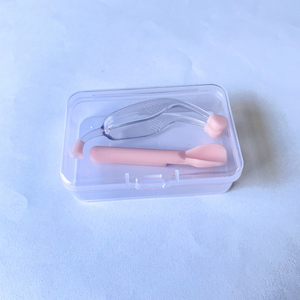
Core Optical Products & Turnkey Packaging Ecosystems
Engineered to international biocompatibility standards, our scalable OEM/ODM product catalog covers everything from hydrogel colored lenses to clinical wearing accessories and retail display units.
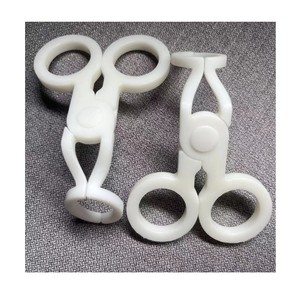
Ergonomic Wearing Aids
Precision Eyelid Speculum Opening Aid & Soft Silicone Handling Clip
View Product Specs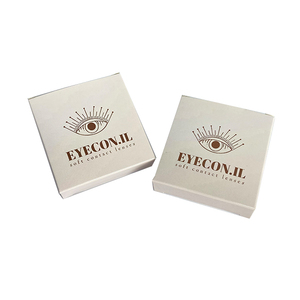
Secondary Packaging
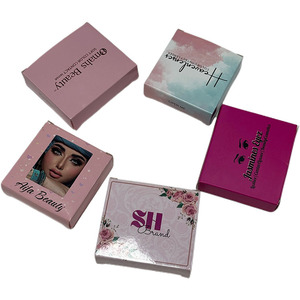
Custom Rigid Cosmetic Paper Box Packaging with Offset UV Printing
View Product Specs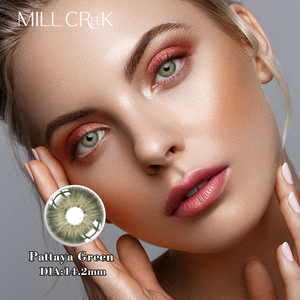
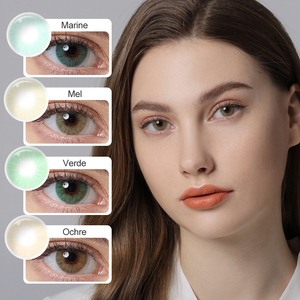
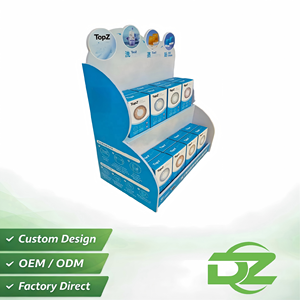
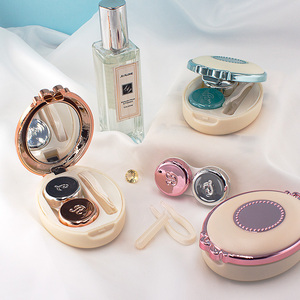
Foil-Stamped Packaging
Foil-Embossed Medical Grade Blister Overpack & Folding Carton
View Product Specs
17+
Years Manufacturing Experience
800+
SKU Formulations & Matrixes
100K Class
Cleanroom Cleanliness Control
ISO / CE
Verified Quality Architecture
Engineered for Clinical Safety: Our OEM/ODM Manufacturing Advantages
Procuring contact lenses and medical ocular devices is fundamentally different from generic fast-moving consumer goods. Contact lenses are classified internationally as Class II or Class III medical devices (regulated by FDA, CE, PMDA, and NMPA). Our production ecosystem operates under strict GMP and ISO 13485 medical device quality systems, mitigating the critical risks of corneal hypoxia, microbiological contamination, and pigment micro-leaching.
Our manufacturing advantage is anchored by fully automated, computer-controlled cast-molding optical technology. By leveraging optical sub-micron diamond lathe tooling, our cast molds produce edge profiles of unmatched consistency (0.08mm center thickness uniformity), reducing foreign-body sensation and enhancing tear exchange. In our cosmetic color lines, we eliminate direct tissue contact through our proprietary Micro-Color Sandwich Encapsulation technique, locking organic non-toxic pigments between inert hydrogel layers so they never interact with human corneal cells.
Cast-Molding Micro-Accuracy
Utilizes ultra-precision thermoplastic casting that preserves identical base curves (8.5mm to 8.6mm) across multimillion-unit production runs, avoiding edge fraying common to lathe-cut lenses.
- Smooth asymmetric edge beveling for tear exchange
- Zero burr tolerance via automated optical inspection
- Consistent center thickness (down to 0.06mm)
Sandwich Color Layering
Our bio-coloration ensures the color iris dot array is isolated inside polymer matrices, delivering vibrant aesthetics without corneal or conjunctival friction.
- Zero pigment leaching certified by saline leach testing
- Multi-tone natural gradation for realistic iris depth
- Full optical clarity preservation across 6mm pupil zones
Turnkey OEM Integration
From primary blister packaging sealing with peelable medical foil, to customized secondary gift packaging, instruction leaflet localization, and retail POS displays.
- Autoclave terminal steam sterilization at 121°C
- In-house graphic structural package engineering
- Traceable batch barcoding and serialization
Future Sourcing & Lens Development Trends (2025–2030)
As international regulatory frameworks tighten and consumer preferences pivot toward ocular health, B2B procurement leaders must anticipate key technological shifts.
1. The Paradigm Shift to Silicone Hydrogel (SiHy)
Traditional Poly-HEMA hydrogel, while economical and comfortable on initial insertion, possesses limited oxygen permeability (Dk/t: ~15-25). The global market is transitioning rapidly to third-generation Silicone Hydrogel materials (Dk/t: >80-120). Brands that source SiHy cosmetic colored lenses are establishing an uncontested value proposition for heavy digital screen users who require sustained 12-to-16-hour comfort without hypoxic redness.
2. Biocompatible Moisture Agents: MPC & Hyaluronic Acid
Surface wettability is taking precedence over gross water content. Advanced sourcing requests now demand 2-Methacryloyloxyethyl phosphorylcholine (MPC) copolymerization and cross-linked Sodium Hyaluronate (HA) integrated directly into the saline solution. These biomimetic agents suppress protein and lipid deposition, reducing contact lens-related discomfort (CLD) in arid and air-conditioned microclimates.
3. Eco-Packaging & Secondary Material Rationalization
Regulatory mandates in the EU and North America are forcing brands to reduce single-use plastic footprints. Leading retail buyers are migrating to minimized blister cavities, 100% recyclable polyolefin blisters, bio-derived secondary packaging, and reusable luxury ABS storage kits that lower total logistics weight and carbon taxation.
| Material Generation | Primary Polymer | Water Content | Oxygen Permeability (Dk/t) | Strategic Procurement Fit |
|---|---|---|---|---|
| Standard Hydrogel | Poly-HEMA | 38% – 42% | 18 – 28 | High-volume fashion brands, short-wear cosplay, low price point |
| Biomimetic Hydrogel | HEMA + MPC / PVA | 45% – 55% | 30 – 45 | Mid-to-high tier daily disposable lines, sensitive eyes, corporate daily wear |
| Advanced Silicone Hydrogel | Siloxy macromers + DMA | 40% – 50% | 85 – 130+ | Clinical premium tier, long-duration wearers, prescription toric lenses |
Frequently Asked Questions for Contact Lens Procurement
Direct technical answers addressing minimum order volumes, regulatory dossiers, sterilization validation, and custom private labeling.
What are the typical Minimum Order Quantities (MOQs) for OEM private labeling?
For custom blister foil designs and existing lens patterns, MOQs start as low as 1,000 to 3,000 pairs per SKU/power. For entirely bespoke pattern plate manufacturing (custom dot screens, exclusive color patterns), the typical tooling threshold is 5,000 to 10,000 pairs. Accessory companion kits (ABS cases, wearers) generally require 1,000 units for custom silk-screen printing.
What regulatory documentation and compliance dossiers do you provide?
We provide full Technical Dossiers including ISO 13485:2016 quality management audit reports, biocompatibility cytotoxicity reports (ISO 10993), accelerated and real-time shelf-life stability data (up to 5 years), sterilization validation reports (ISO 17665 steam sterilization), and CE/FDA Master Files to expedite registration with your local health agency.
Can we customize diopter ranges, base curves, and diameters?
Yes. Our automated manufacturing line supports plano (0.00) through myopic corrections up to -10.00D (in 0.25D and 0.50D steps). Toric corrections for astigmatism (CYL/AXIS stabilization) are manufactured on-demand. Base curves standardly range between 8.5mm and 8.7mm, with total lens diameters adjustable from 14.0mm to 14.5mm.
What is the lead time for sampling and mass manufacturing?
Standard physical samples from existing inventory ship within 48 to 72 hours. Custom private label packaging proofs take 7 to 10 working days. Mass production cycles typically require 25 to 35 working days post mold approval, accounting for blister sealing, autoclave cycle clearance, and mandatory 14-day microbiological incubation tests.