Luxury Series
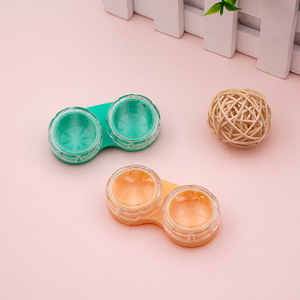
Explore certified color hydrogel contact lenses, medical auxiliary systems, and bespoke retail packaging directly produced for international optical distributors.
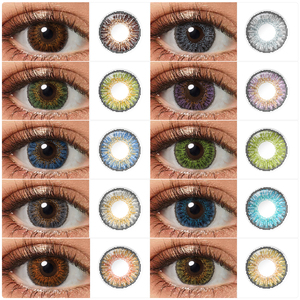
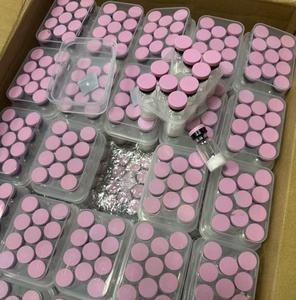
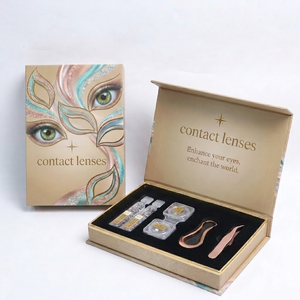
Understanding the fundamental engineering differences separating Class III medical ophthalmic lenses from cheap cosmetic novelties.
Our automated production isolates non-toxic, bio-compatible color pigment layers completely inside the hydrogel or silicone hydrogel polymer matrix. No colorant ever touches the corneal epithelium or palpebral conjunctiva.
Unlike spin-cast methods that suffer from optical distortion, our high-speed automated full-moulding technology produces precise back-surface aspheric curves and prism-ballasted toric designs for stable astigmatism correction.
Combining 2-HEMA polymers with biomimetic MPC (2-Methacryloyloxyethyl phosphorylcholine) to minimize protein and lipid deposition, guaranteeing all-day hydration in low-humidity and air-conditioned micro-environments.
Technical evaluation parameters designed for optical purchasing managers, brand founders, and quality assurance auditors.
| Evaluation Parameter | Standard Cosmetic HEMA | Biomimetic HEMA + MPC | Silicone Hydrogel (SiHy Gen III) |
|---|---|---|---|
| Primary Application | Promotional, Cosplay & Party | Daily / Monthly Fashion Wear | Extended High-Comfort Prescriptions |
| Oxygen Transmissibility (Dk/t) | 12 - 18 Dk/t | 22 - 28 Dk/t | 85 - 130 Dk/t |
| Water Content Index | 38% - 42% (Standard Equilibrium) | 40% - 43% (Hydrophilic Bonded) | 45% - 55% (Low Dehydration Rate) |
| Protein & Lipid Resistance | Moderate (Requires daily rub) | Superior Bio-repulsion | High (Treated surface finish) |
| Pigment Isolation Tech | Semi-embedded print | Double-sided sealed sandwich | Polymer cross-linked encapsulated matrix |
| Recommended Modality | 1-Day / Monthly / Yearly | Daily Disposable / Quarterly | Daily / Monthly Reusable |
Global consumer habits, regulatory tightening, and e-commerce models dictate how brands must structure their product portfolios.
While 1-year reusable lenses remain popular in select developing cosmetic markets, North American, European, and East Asian regulatory bodies and health-conscious Gen Z consumers are aggressively pivoting toward sterile daily disposables.
Procurement Strategy: Brands should allocate 40%+ of SKUs to 10-pack and 30-pack daily blister formats, reducing customer compliance liabilities and elevating repurchase lifecycle value.
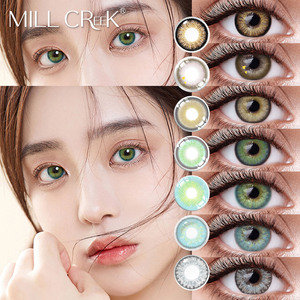
Stark, anime-style solid limbal bands have declined in favor of nuanced iris-mimicking multi-tone gradients. Dark brown eyes require complex layering—a translucent inner hazel transition and radial micro-striations that integrate real daylight depth.
Design Advantage: Utilizing 5 to 6 pattern design cycles before final mould cutting guarantees non-pixelated graphics that photograph naturally in high-definition video environments.
National health oversight authorities (US FDA 510(k), EU MDR 2017/745 Class IIa/IIb, Singapore HSA, Saudi SFDA) treat cosmetic contact lenses identically to corrective medical devices. Gray-market manufacturing represents fatal brand exposure.
Compliance Readiness: Factory-backed technical files, biocompatibility cytotoxicity reports (ISO 10993), and sterile barrier validations are now standard prerequisites for overseas shipments.
From photochromic light responsiveness to integrated digital manufacturing, China's optical manufacturing infrastructure is evolving rapidly.
Next-generation color lenses currently under pilot formulation incorporate reversible photochromic molecular dyes that adjust opacity dynamically in high-glare outdoor UV environments while remaining subtler indoors.
Historically, adding silicone polymers created high surface hydrophobicity that made color printing difficult. Breakthrough chemical plasma surface grafting now enables complex sandwich printing on ultra-breathable SiHy lenses.
Custom CNC diamond lathe cutting and ultra-fast steel mould cavity tooling permit emerging beauty brands to launch proprietary capsule collections with sub-500-pair MOQs without prohibitive capital amortization.
Combining seventeen years of optical formulation experience with end-to-end luxury cosmetic presentation engineering.
With more than 17 years dedicated strictly to ophthalmic polymer synthesis, our manufacturing lineage supplies retail networks across North America, Europe, Southeast Asia, and the Middle East.
Most Western lens palettes fail on natural brown and dark amber irises. Our R&D specifically engineers graduated micro-pigment densities that transform dark eye shades without artificial pixelation.
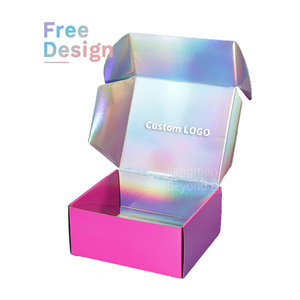
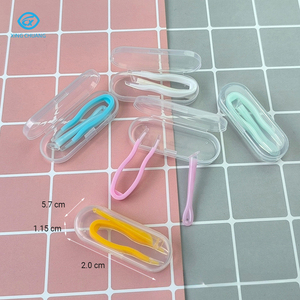
From sterile PP blister strips and pharmaceutical glass vials to custom UV-embossed magnetic gift boxes and companion wearing sets, we produce the entire consumer packaging experience in-house.
We provide full documentation suites (ISO 13485, CE, FDA registration assistance, stability testing, and HSA compliance support) ensuring seamless customs clearance and licensed distribution.
Clear, direct answers regarding production capacities, testing standards, MOQs, and regulatory authorizations.
For existing stocked clinical designs and colorways (such as the Freshgo 3-tone or Haipurecon lines), initial wholesale orders can start at 50 to 100 pairs per SKU. For fully custom color pattern formulations, customized base curves, or proprietary secondary blister cartons, standard production runs start at 500 to 1,000 pairs per power increment.
Yes. In virtually every major jurisdiction—including the US FDA, European Union CE/MDR, Singapore HSA, and China NMPA—plano (0.00 power) colored lenses are classified as medical devices. They must be manufactured under ISO 13485 certified quality management systems and undergo rigorous biocompatibility, cytotoxicity, and sterility assurance testing.
In our automated cast-moulding process, the color patterns are applied onto a first layer of monomer, which is then fully encapsulated by a second protective monomer bath prior to UV cross-linking and hydration. The colored pigments are physically locked within the polymer chains, meaning cotton swab tests and friction wear cannot scrape pigments loose from the surface.
Yes. We engineer back-surface toric designs with dynamic prism-ballast stabilization. This prevents the lens from rotating on the cornea during blinking, maintaining crisp visual acuity along the correct cylindrical axis while delivering exceptional cosmetic coloration.
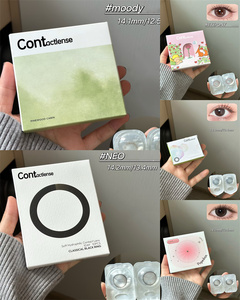
We support sterile individual buffered saline polypropylene blisters (strips of 5 or 10), clinical borosilicate glass vials with aluminum tear-off crimp caps, custom folding retail paperboard boxes with spot UV/foil stamping, and luxury rigid magnetic gift presentation cases with velvet inserts.
Sample proofing and digital pattern trials typically take 7 to 14 days. Once packaging proofs are approved, mass mould casting, hydration equilibration, autoclave sterilization, and packaging execution take approximately 25 to 35 business days depending on order volume and power distribution.
Consult with our OEM/ODM optical engineering team to request complimentary sample testing kits, custom pattern mockups, factory audits, and wholesale price tiers.
Inquire Now