High-Yield Wholesale Contact Lenses & Custom Private Label Packaging
Engineered for international optical distributors, e-commerce beauty powerhouses, and retail pharmacy chains. Zero-compromise ophthalmic safety and high pigment stabilization.
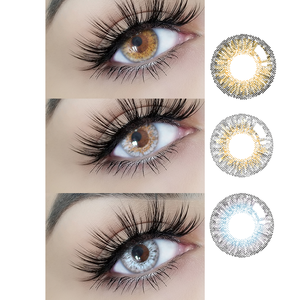
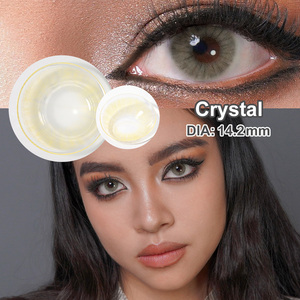
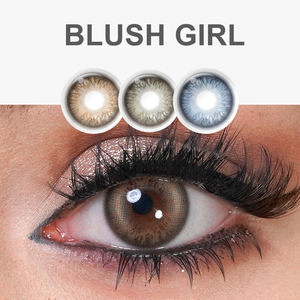
Fresh New Look Colored Contact Magister Wholesale Colored Contact Lenses Korea Soft Natural Lens Lentillas De Colores
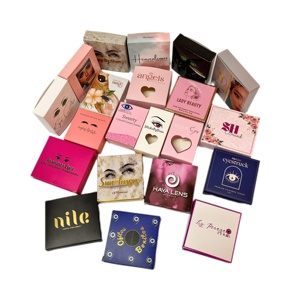
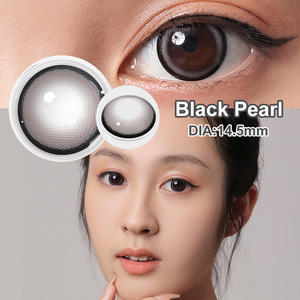
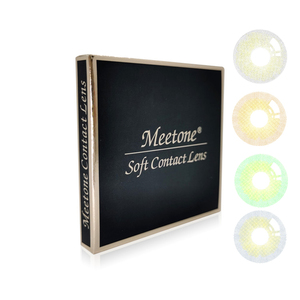
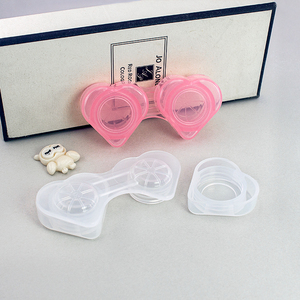
Wholesale Clear Prescription Contact Lenses Factory Eye Contact Lens Case Travel Colored Contact Lenses for Eyes
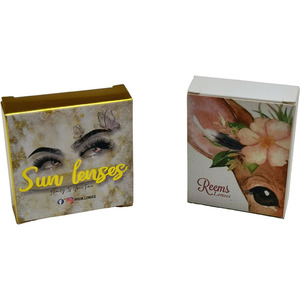
17+ Years of Medical-Grade Contact Lens Innovation
Combining automated Class 100,000 cleanroom environments, fully enclosed cast-molding lines, and specialized chromatics for global eye aesthetics.
Multi-Sandwich Pigment Encapsulation
Our micro-coloration matrix seals non-toxic bio-pigments safely between two pristine polymer layers of PolyHEMA or Silicone Hydrogel. Pigments never directly touch the human cornea or conjunctival tissues, ensuring zero leaching, zero cytological cytotoxicity, and exceptional friction-free ocular comfort throughout prolonged wearing schedules.
Global Certification & Regulatory Dossiers
Operating under rigorous ISO 13485:2016 quality management standards. Full technical dossiers, stability testing validation, biocompatibility reports (ISO 10993), and Certificate of Free Sale (CFS) documentation are available to fast-track distributor registrations with the European Union (CE Mark under MDR), US FDA (510k clears), and Singapore's Health Sciences Authority (HSA).
Turnkey OEM/ODM & Custom Packaging
From low-MOQ brand incubation to multi-million unit monthly runs, we offer turnkey contract manufacturing: tailored base curves (8.5mm–8.7mm), diameter variants (14.0mm–14.5mm), sterile polypropylene blister packaging, glass vial filling, and complete luxury packaging boxes equipped with hot-stamping, embossing, and anti-counterfeit QR codes.
Future Procurement Trends in the Global Contact Lens Wholesale Market (2025–2030)
A comprehensive analysis of evolving consumer demographics, bio-material chemistry, regulatory shifts, and distribution economics for optical procurement leaders.
1. Paradigm Shift to Silicone Hydrogel Daily Disposables
The global contact lens landscape is aggressively shifting from traditional PolyHEMA hydrogels toward third-generation Silicone Hydrogel materials. Driven by clinical recommendations preventing corneal hypoxia and neovascularization, institutional buyers are ordering daily disposables with oxygen transmissibility ($Dk/t$) exceeding 80–120 Barrer/cm. While monthly and 3-month PolyHEMA lenses continue to dominate price-sensitive beauty segments, tier-one optical brands require high-Dk/t matrices combined with hydrophilic wetting agents.
2. Dark-Eye Formulation & Non-Pixelated Multi-Tone Printing
Historically, cosmetic lenses were engineered primarily for light Caucasian irises, often resulting in muddy, unnatural color rendering when applied to deep brown or Asian eyes. Modern procurement trends focus on 3-tone to 5-tone concentric dot matrix designs. By blending an opaque inner accent ring, an iris-depth mid-tone layer, and an ultra-soft graduated limbal ring, factories can deliver natural iris enhancement without the pixelated "sticker" appearance, capturing high-growth markets across Southeast Asia and the Middle East.
3. Biophilic Surface Modifications (MPC & Sodium Hyaluronate)
Prolonged digital device usage and extensive indoor air conditioning have triggered a steep rise in Computer Vision Syndrome (CVS) and Contact Lens-Induced Dry Eye (CLIDE). In response, advanced factories incorporate MPC (2-Methacryloyloxyethyl Phosphorylcholine) polymers into the lens backbone and infuse buffered packaging solutions with pharmaceutical-grade Hyaluronic Acid (HA). MPC mimics the zwitterionic structure of natural cell membranes, dramatically resisting protein and lipid deposition.
4. Toric & Multifocal Cosmetic Customization
Historically, cosmetic colored contact lenses were limited to plano (0.00 power) or standard spherical myopic corrections. With astigmatism affecting over 32% of vision-corrected consumers globally, wholesale demand for Toric colored lenses (utilizing Prism Ballast or Peri-Ballast rotational stabilization) is soaring. Wholesalers who stock custom cylinder (-0.75 to -2.75) and axis orientations alongside aesthetic tints are capturing premium retail margins previously untouched by pure-play cosmetic brands.
5. Stringent Traceability & MDR/FDA Regulatory Enforcement
Global medical device authorities have categorized zero-power colored contact lenses alongside prescription lenses under Class IIa / Class II medical device frameworks. The complete enforcement of the EU Medical Device Regulation (MDR 2017/745) and strict FDA premarket notification requirements demand that factories maintain uncompromised supply chain audit trails, Unique Device Identification (UDI) laser marking, validated bioburden controls, and accelerated 5-year aging studies.
6. Sustainable Packaging & Eco-Friendly Secondary Materials
Environmental governance (ESG) is influencing purchasing orders across major retail and healthcare accounts. Manufacturers are replacing virgin PVC blister packs with recyclable medical-grade Polypropylene (PP) resins, downsizing secondary packaging volumes by 35%, and switching to FSC-certified, non-toxic soy-ink coated cartons. Factory-level optimization also prioritizes water conservation in washing cycles and solar-supplemented cleanroom operations.
Ophthalmic Polymer Comparison: PolyHEMA vs. MPC vs. Silicone Hydrogel
Evaluate clinical parameters, moisture retention, and commercial wholesale viability across our certified OEM polymer options.
| Material Category | Water Content (%) | Oxygen Permeability (Dk/t) | Surface Lubricity / Wettability | Recommended Replacement Cycle | Primary Market Viability |
|---|---|---|---|---|---|
| Standard PolyHEMA (Cast-Molded) | 38% – 42% | 12 – 18 Barrer/cm | Moderate (Standard Saline Hydration) | Monthly, 3-Month, 6-Month, Yearly | High-margin cosmetic retail, fast-fashion collections, budget e-commerce |
| PolyHEMA + MPC Biophilic Copolymer | 40% – 45% | 22 – 28 Barrer/cm | Superior (Mimics natural cell phospholipid layer) | Daily Disposable, Monthly | Office workers, air-conditioned climates, digital screen heavy users |
| 3rd-Generation Silicone Hydrogel | 48% – 55% | 85 – 125 Barrer/cm | Ultra-Low Contact Angle (Plasma treated / non-coated) | Daily Disposable, 1-Month Frequent Replacement | Clinical optometry practices, high-end pharmacies, medical prescription |
| Gas Permeable Toric Stabilized Matrix | 38% – 43% | 18 – 24 Barrer/cm | High Tear-Film Stability with Dynamic Stabilization | Monthly, 3-Month | Specialized astigmatism correction combined with cosmetic color changes |
Frequently Asked Questions by Institutional Buyers & Distributors
Direct answers from our engineering and regulatory affairs team regarding minimum order quantities, compliance, sterility, and private labeling.
Partner with a Globally Certified Contact Lens Manufacturer
Elevate your optical or beauty portfolio with hospital-grade manufacturing reliability, high-yield commercial margins, and fully certified cosmetic & prescription lenses.